


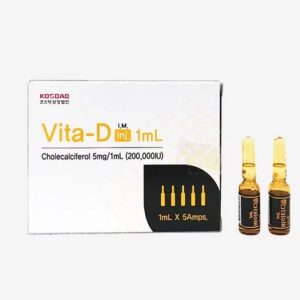
Vitamin D3 Injections
Vitamin D3 benefits:
- Works with calcium to help bone formation and calcium metabolism
- Reduces autoimmune symptoms by decreasing inflammation
- Protects the lining of blood vessels to reduce the risk of cardiovascular incidences (stroke, heart attack, high blood pressure, high cholesterol)
- Reduces the risk of colds/flu and even reduces the risk for cancer by helping the cells communicate more effectively, allowing cells to differentiate into normal, healthy cells
- Low levels of vitamin D are commonly found in 80% of diabetic patients, correcting vitamin D levels improves overall diabetic signs and symptoms
- Seasonal Affective Disorder and other mood disorders are often worsened with low vitamin D levels
Frequency: IM injection weekly x8 weeks and then recheck Vitamin D levels (need baseline prior to starting injections)
How is Vitamin D Beneficial?
There are seven health conditions, diseases, and illnesses that may be affected by vitamin D levels:
- Osteoporosis
- Cancer
- Cardiovascular Disease (CVD)
- Depression
- Multiple Sclerosis (MS)
- Type 2 Diabetes
- Weight Loss
Vitamin D is important in preventing and treating osteoporosis because vitamin D helps your body absorb calcium. It helps strengthen your muscles and increase balance, which reduces fall risk that can result in fractured and broken bones.
In clinical studies, it has been shown that taking a daily vitamin D supplement decreases the risk of cancer death by 12-13%. Vitamin D supplements have been found to affect five types of cancer:
- Breast Cancer
- Colorectal Cancer
- Lung Cancer
- Pancreatic Cancer
- Prostate Cancer
As for its effect on the heart, vitamin D regulates blood pressure, the growth of vascular cells, and inflammatory and fibrotic pathways. Deficient levels of vitamin D lead to vascular dysfunction, stiffening of your arteries, and problems in your left ventricle. Adequate and high levels of vitamin D support heart health and reduce your risk of cardiovascular disease.
There have been mixed results in studies on the effect of vitamin D on depression. However, 14 observational studies showed that vitamin D deficiency and depression are linked.
Studies have shown that adequate levels of vitamin D may reduce your risk of getting multiple sclerosis (MS). It also might decrease the likelihood of relapsing and slow down the progression of MS in those who already have the disease.
Vitamin D metabolizes glucose, sets off insulin secretion, and reduces insulin resistance. All of these factors affect type 2 diabetes.
Observational studies have found that overweight and obese people are more likely to have low levels of vitamin D.
Please note that on occasion product packaging design may change, we will always endeavor to display the current design where possible.
*Most of our products are intended for professional use by doctors and specialists. By purchasing such products, you agree to provide, upon request, formal proof of medical/professional training. Such product(s) are not intended for personal or household use.